
Health Equity

Marketing’s Role in Advancing Diversity, Equity, and Inclusion

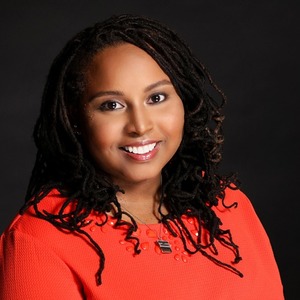
Victor Reiss, vice president— Consumerism & Insights, UNC Health

DEI is about more than representation. It’s all about creating an environment where everyone feels heard, respected, and empowered. No other industry has more of an imperative to embrace DEI than health care as the path to a healthier future for everyone. At this year’s Healthcare Marketing & Physician Strategies Summit (HMPS23) in Austin, Texas, Read More

Best Practices for Bringing Diversity, Equity, and Inclusion (DEI) to Life

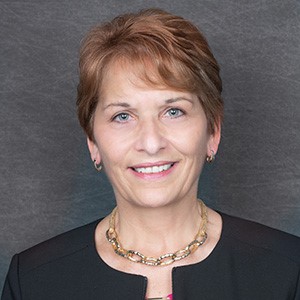
Deb Pappas, chief marketing and communications officer and executive champion for DEI Education & Awareness Pillar, Connecticut Children’s

// By Susan Dubuque // Executives from Connecticut Children’s, UNC Health, and Stanford Health Care share how they integrate diversity, equity, and inclusion (DEI) into the organizational culture. Read on for important lessons on advancing and operationalizing DEI efforts in your own organization.

Improving Health Equity: A Framework for Sustainable Change

Whitney Haggerson, vice president of health equity at Providence

Getting access to care has been difficult in many parts of the country for years. Even in densely populated urban areas, a shortage of physicians and clinicians often made setting appointments for primary and specialty care a frustrating experience. And then 2020 hit. The COVID-19 pandemic intensified the staffing shortage and further restricted access. Today, Read More

Healthcare Equality Index: How Does Your Health System Measure Up?

Tari Hanneman, director of the health and aging program at the HRC

The Healthcare Equality Index defines industry best practices for LGBTQ inclusion and recognizes progress achieved by health care organizations to reach their health equity goals. How does your health system measure up? Health care is a necessity. But not everyone has equal access to medical services, which can negatively impact a person’s long-term health outcomes. Read More

Health Equity and Access: Addressing a Challenge That Too Many People Don’t See

Alan Shoebridge, associate vice president of national communications at Providence

// By Alan Shoebridge // Getting access to care has been difficult in many parts of the country for years. Even in densely populated urban areas, a shortage of physicians and clinicians often made setting appointments for primary and specialty care a frustrating experience. And then 2020 hit. The COVID-19 pandemic intensified the staffing shortage and further restricted access. Today, access to care remains constrained by that staffing shortage. Yet this is just one barrier to getting care. Systemic societal issues pose additional barriers for many communities.

How HRC’s Healthcare Equality Index Works to Address Inequities in LGBTQ Health Care Access

Althea Fung

// By Althea Fung // Health care is a necessity. But not everyone has equal access to medical services, which can negatively impact a person’s long-term health outcomes. In the U.S., racial and ethnic minorities, people of lower socioeconomic status, people who live in rural communities, and sexual and gender minorities often experience disparities in the health care they receive, according to the National Institute on Minority Health and Health Disparities.