

eHealthcare Leadership Awards: Anatomy of a Winning Entry
What separates good work from award-winning work in the eHealthcare Leadership Awards? Here’s what judges and past winners say.
// By Susan Dubuque //

 A year’s worth of work often comes down to a few pages.
For healthcare marketing teams, the campaigns, websites, videos, and digital experiences that take months to plan and execute must ultimately be distilled into a single award submission. What gets recognized is not just the work itself, but also how clearly and convincingly it is presented.
Each year, the eHealthcare Leadership Awards recognize what the industry does best. Now in its 27th year, the program draws roughly 1,000 entries across more than 30 categories, representing hospitals, health systems, agencies, and healthcare organizations of all kinds. Presented by Plain-English Health Care, publishers of eHealthcare Strategy & Trends and Strategic Health Care Marketing, the awards recognize digital initiatives that drive real marketing and business impact.
The bar is high. Judges review hundreds of entries across categories ranging from digital campaigns and websites to AI, mobile experience, and data-driven marketing. What rises to the top is not always the biggest campaign or the most polished creative. It is the work that makes sense, shows its impact, and tells a story that holds together from start to finish.
To share what that looks like in practice, we’ve collected insights from both judges and past winners. Their perspectives reveal a consistent pattern. Winning entries are not accidental. They are built with intention.
Continue reading for practical ways to clarify your story, present your work with confidence, and yes, improve your chances of winning.
Start With Clarity, Not Creativity
Before anything else, winning entries make it immediately clear what problem they solve and why it matters.

Danny Fell, health systems practice lead at Unlock Health, looks first for clarity in strategy and goals. Too often, he says, objectives are vague or implied, making it difficult to understand what the organization is trying to achieve. Without that foundation, everything that follows becomes harder to evaluate.

John Marzano, president at JAM3 Strategic Marketing & PR, approaches it from a business perspective. He starts with the goal, then looks at how the strategy supports it and how tactics align. Strong entries show that the campaign was built to solve a real business problem, not just to produce creative work.

Shashidar Reddy Abbidi, senior manager, clinical data management at Bristol-Myers Squibb, describes this as the “golden thread.” The problem, the solution, and the results are clearly connected. Judges should not have to guess how the pieces fit together.
When that clarity is missing, even strong work can feel scattered. When it is present, the entire submission becomes easier to follow and far more compelling.
Tell the Full Story
A winning entry does more than describe what was built. It walks the reader through what changed and why it mattered.

Ben Dillon, CEO at Geonetric, says the strongest entries provide that full context. What was the situation before? What problem needed to be solved? What changed as a result of the work? Without that narrative, judges are left to fill in the gaps.


The need for a clear story shows up in how teams prepare their submissions. Past winner Adrienne Woods, vice president, digital engagement at Hackensack Meridian Health, describes a familiar moment in the process with colleague Pamela Landis, senior vice president, digital engagement.
“I think the submission is ready,” Woods says. “And Pam says, ‘This is not ready for prime time. You’re not telling a story.’ So, we go back to the drawing board. We do this same dance every year.”
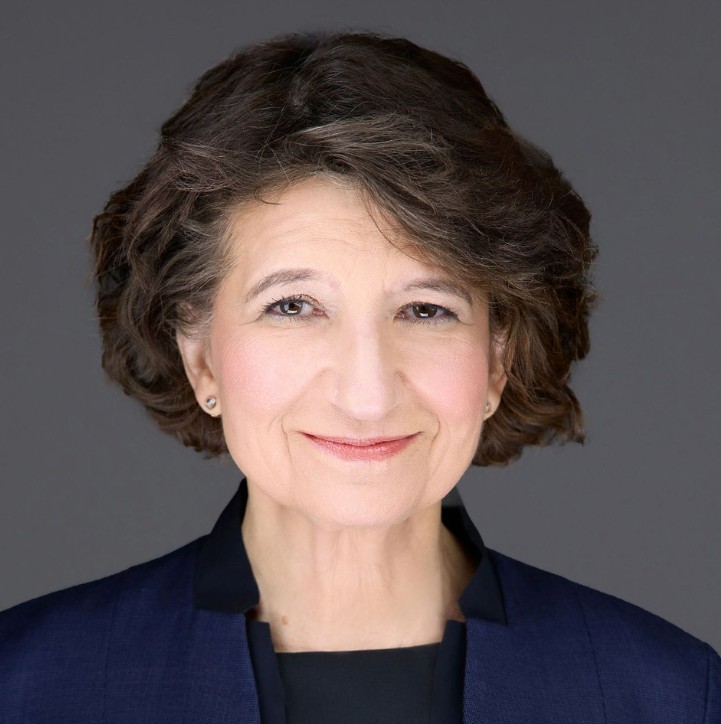
Linda MacCracken, principal and founder of Ignite Market Advantage, looks for a story grounded in insight. What did you see that others missed, and how did you turn that into a market advantage? The most effective entries show not just activity, but a shift.
At the same time, Emilie Ansel, CEO at Private Health News, emphasizes simplicity. The best submissions are easy to follow, with clear structure and guidance. Judges review a high volume of entries. The ones that stand out are the ones that respect that and make the story easy to understand from the start.
Show the Thinking Behind the Work
Strong entries make it clear that the work was intentional rather than reactive.

Samantha Pierce, healthcare communications consultant at SLPR Communications for Unlock Health, has helped many of her clients submit winning award entries. She emphasizes starting with a meaningful challenge. The strongest entries begin with a problem that matters, not just to the organization, but to the people it serves. From there, they connect insight to execution and show why the approach worked.

Camille Strickland, senior vice president at BVK, says winning entries show a clear understanding of the strategy behind the work, along with creative that stands apart in both design and messaging. Just as important is the ability to measure impact. “It’s not marketing for marketing’s sake,” she says. “It’s marketing for impact.”
Abbidi adds another layer, highlighting human-centered design. The most memorable work shows a deep understanding of the patient or consumer experience, anticipating needs and reducing friction in meaningful ways.
This is also where many entries lose ground. Submissions that rely on standard approaches or off-the-shelf solutions without showing how they were applied or customized tend to fall flat.
Make Results Impossible to Ignore
At some point, every entry must answer a simple question: Did it work?
Dillon says metrics are often the difference between “nice work” and “best in class.” Numbers change the conversation. They show impact in a way that creative alone cannot.
Marzano is even more direct. Results are what matter. Campaigns must demonstrate how they drive action, whether that is engagement, conversions, or measurable business outcomes.
Fell cautions against relying on vague or anecdotal results. Statements like “people loved it” are not enough. Strong entries ground their outcomes in data and clearly explain how success was measured.

Past winner Mona Baset, vice president of digital services, Intermountain Health, underscores the importance of connecting those results back to broader organizational goals. At Intermountain Health, submissions are structured around objectives, key results, and KPIs, ensuring digital work aligns with enterprise priorities and measurable performance.
Pierce adds that while hard data is critical, impact can also be reflected in changes in perception, behavior, or engagement. The strongest entries find ways to show both.
Bring the Work to Life
Even the best story needs to be seen and experienced.
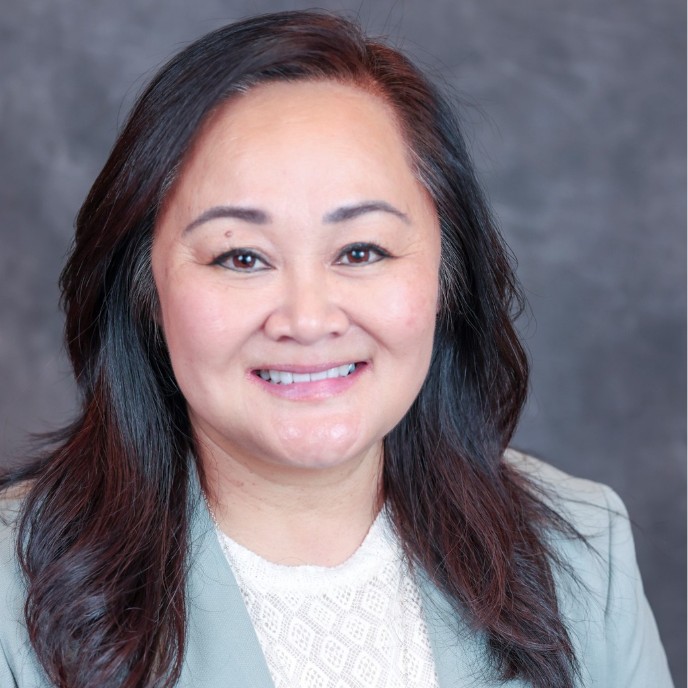
Past winner Linda Ho, director, marketing technology, operations & analytics at UCSF Health, stresses the importance of making the work accessible to judges. That means providing working links, clear visuals, and guidance on what to look for. Judges should not have to search for value in the work. It should be obvious.
Fell notes that video can be especially effective in helping tell the story, giving judges a clearer sense of the experience and impact.
At the same time, creativity should support the strategy, not replace it. As Marzano points out, strong creative without a clear strategy behind it is a common misstep.
Organize for Success
Behind every strong entry is a process that makes it possible.

“We make it a team effort,” says Rita Roy, MD, CEO of the National Spine Health Foundation. “We are very thoughtful when applying. We identify the right project and category, meet as a team to align on the entry, have the project manager draft it, and the communications team review it before submission.”
Baset describes a structured approach built around tools like roadmaps and performance scorecards, allowing the team to track results and build submissions without scrambling at the last minute.
Pierce describes a similar discipline on the agency side, where teams identify strong work early, gather materials over time, and collaborate across teams to build submissions.
At UCSF Health, Ho notes that teams divide responsibilities, use templates, and refine entries to ensure consistency and completeness.
This level of organization shows up in the final product. It creates clarity, reduces gaps, and allows the work to speak for itself.
Join a Community Built Around the Work
The eHealthcare Leadership Awards offer an opportunity to showcase your work while connecting with a community of healthcare marketers who raise the bar for the industry.
There are many ways to get involved:
- Submit your best work and earn well-deserved recognition for you and your team. (Deadline for entry is June 26!)
- Volunteer as a judge and gain insight into leading work from across the country.
- Serve as a sponsor and support the program, while promoting your organization.
- Attend the awards presentation at HCIC in Orlando on October 25, or you can watch the recording on-demand.
For many teams, the process of entering is just as valuable as the outcome. It creates an opportunity to step back, reflect, and articulate what worked and why.
The work is already done. The question is how you tell the story.
To submit an entry or learn more about the eHealthcare Leadership Awards, visit ehealthcareawards.com.
Susan Dubuque is a strategist and writer specializing in health care and behavior change. She serves on the editorial advisory board of Strategic Health Care Marketing and cochairs the 2026 eHealthcare Leadership Awards. Connect with Susan on LinkedIn.